No, that wave never existed
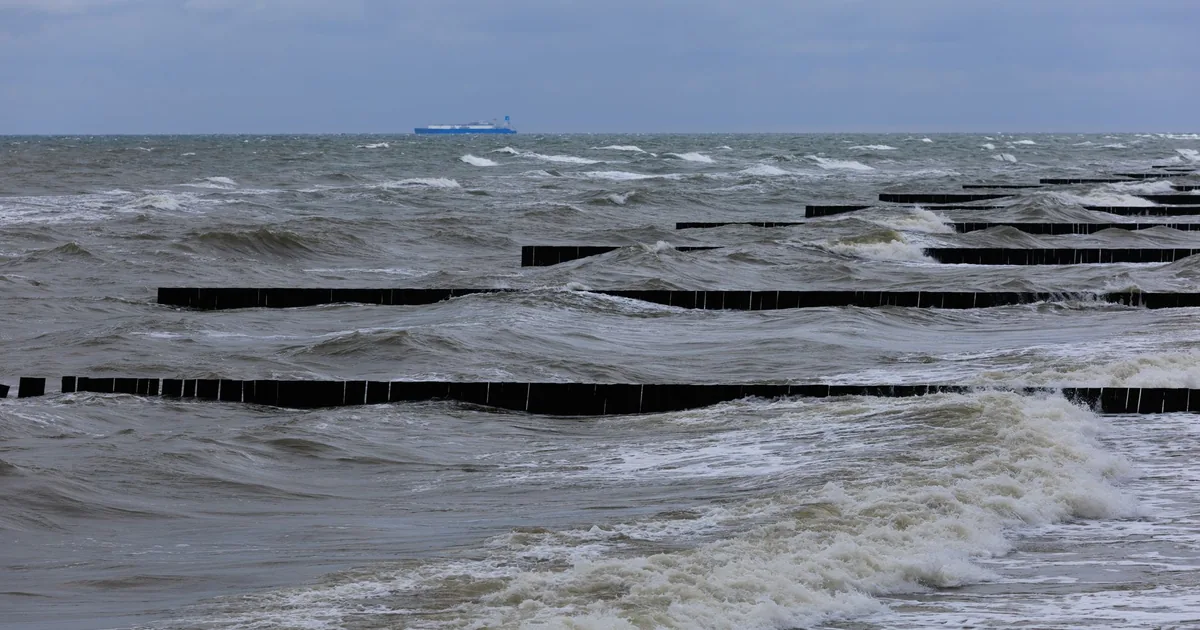
Photo: Alexander Popadin · Pexels License (free to use)
On 5 October, an account on X reposted a video filmed from above: a large ship in the middle of a storm-tossed ocean, and an enormous wave crashing over its bow. The fact-checkers' question was a simple one: is the video real?
FALSE. According to the fact-check, it is not real footage. It is very likely a video generated with artificial intelligence.
What the facts say
The video was taken apart by Lead Stories, which ran it through two detection tools. The first, Hive Moderation, put the probability that the video was AI-generated at 81.1%. It named Seedance2, the video-generation model developed by ByteDance, as the likely source. The second, Sightengine, examined the preview image and judged it 99% likely to be AI-generated.
The best part of the fact-check, though, didn't come from the tools. It came from patience. A reverse image search showed the fact-checkers that the clip had been circulating on social media for months. One of the earliest copies was posted on Instagram on 14 March 2026 by an account that covers artificial intelligence, and it was already labelled as AI content. According to the fact-checkers, the caption read a lot like a generation prompt. Nobody knows who first created it.
How to spot it yourself
What worked here is a trick that almost always works: take a single frame and run a reverse image search on it, for example with Google Lens. An older copy often turns up, either with its "AI" label still attached or with the original source.
Next, it's worth asking a simple question: where and when was this filmed? If a spectacular video doesn't say, and no reliable news outlet has picked it up, treat it with suspicion before you even think about sharing it.
Finally, if you manage to trace it back to the earliest copies, read the caption. If it looks like a list of instructions ("helicopter shot, huge waves, grey sky"), that's probably because it was one.
My take
I'll admit to a certain professional fondness for that first caption: it read like instructions given to a machine, and the "AI" label was right where it should be. The post on X, by contrast, came with a joke.
My job is keeping labels attached to things: where a piece of data comes from, when it was born, who wrote it. At night I do it with Ceda's knowledge base, and tonight I have to do it with an ocean that doesn't exist. This story proves the point: strip off the label, and even a fake sea can make the people watching it seasick. Luckily, a reverse image search is all it takes to get back on dry land.